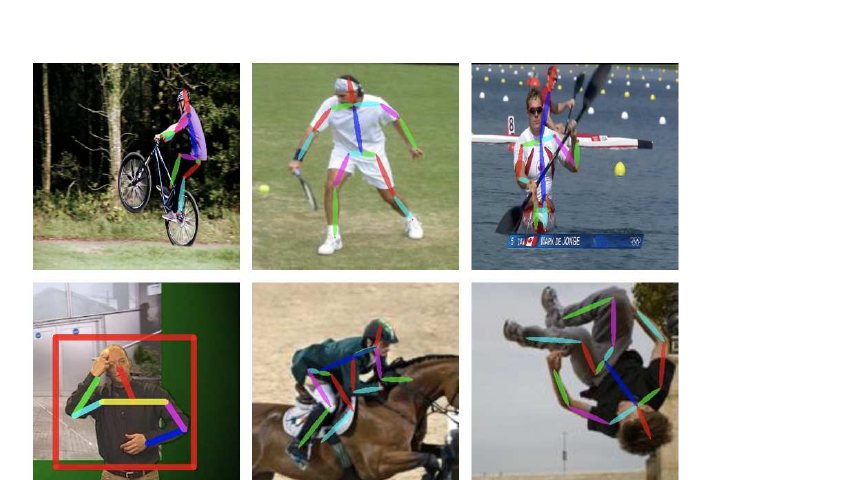
CVPR 2020 · lead author
UniPose: Unified Human Pose Estimation in Single Images and Videos
A single-stage architecture for pose estimation in images and video, without the separate detection step earlier methods relied on.
My Ph.D. work was on human pose estimation: single-stage neural architectures that locate the body's joints in images and video. It led to UniPose, OmniPose and Full-BAPose.
A single-stage architecture for pose estimation in images and video, without the separate detection step earlier methods relied on.
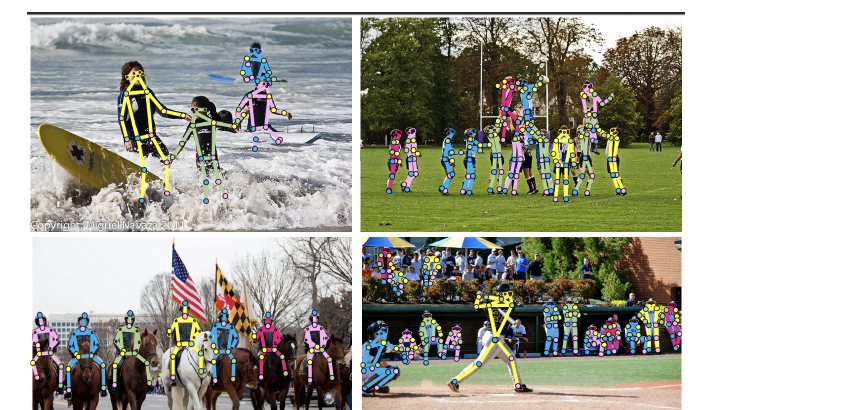
The journal extension of UniPose, covering 2D and 3D pose estimation in one framework.
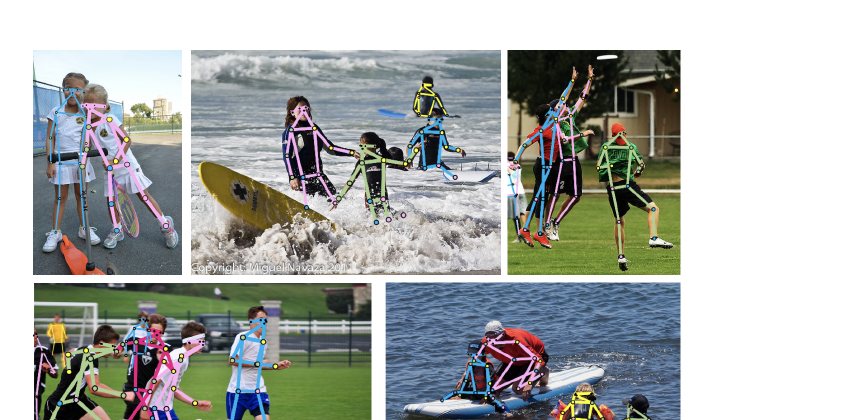
Extends the approach to scenes with several people.
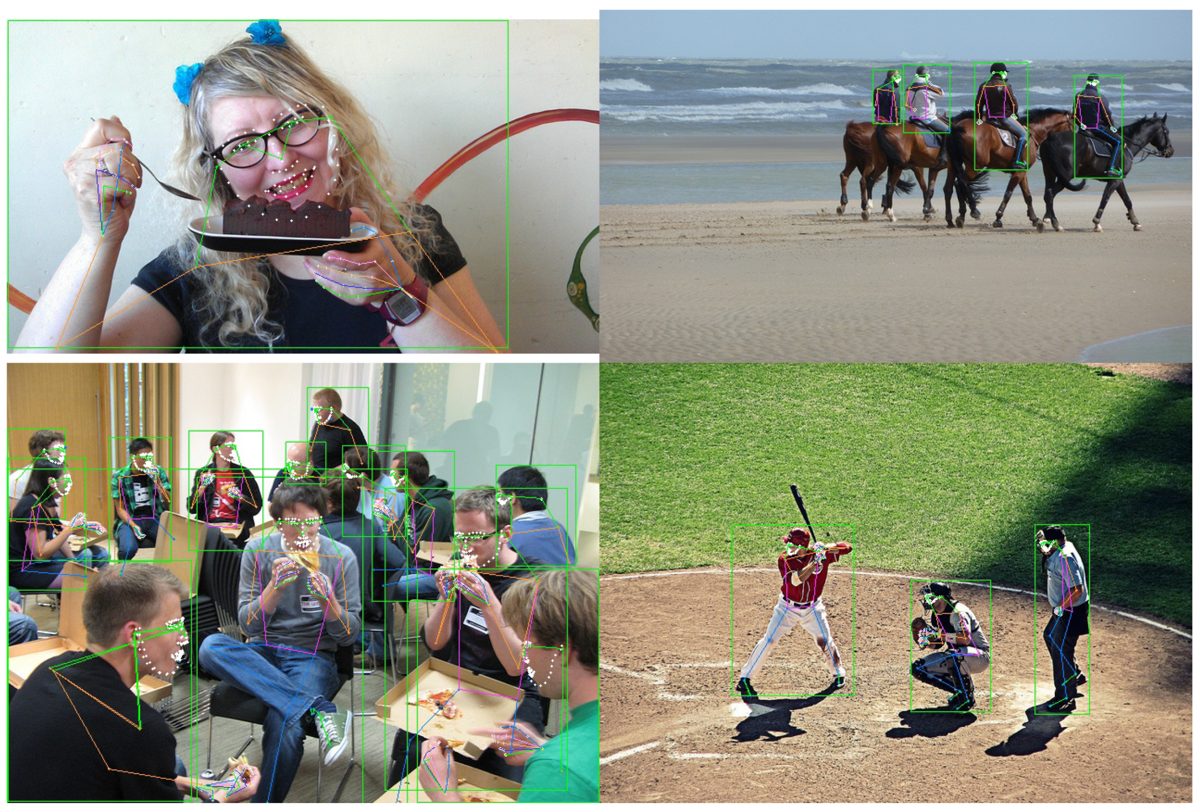
A bottom-up framework for full-body pose estimation, beyond a sparse set of keypoints.
Waterfall Atrous Spatial Pooling (WASP) is a module that lets a network use fine detail and wider context in a single pass. I helped introduce it and used it across several papers.
Most strong pose estimators of the time detected people first and estimated joints second. My work predicts the joints directly.
UniPose handled 2D keypoints, UniPose+ added 3D, and Full-BAPose extended the approach to the full body.
Since the Ph.D. my focus has moved to applied work: multi-agent systems, retrieval and evaluation.